PQ-NEXT Welcomes Fall with its fourth General Assembly Meeting in Athens, Greece!
PQ-NEXT Welcomes Fall with its fourth General Assembly Meeting in Athens, Greece!
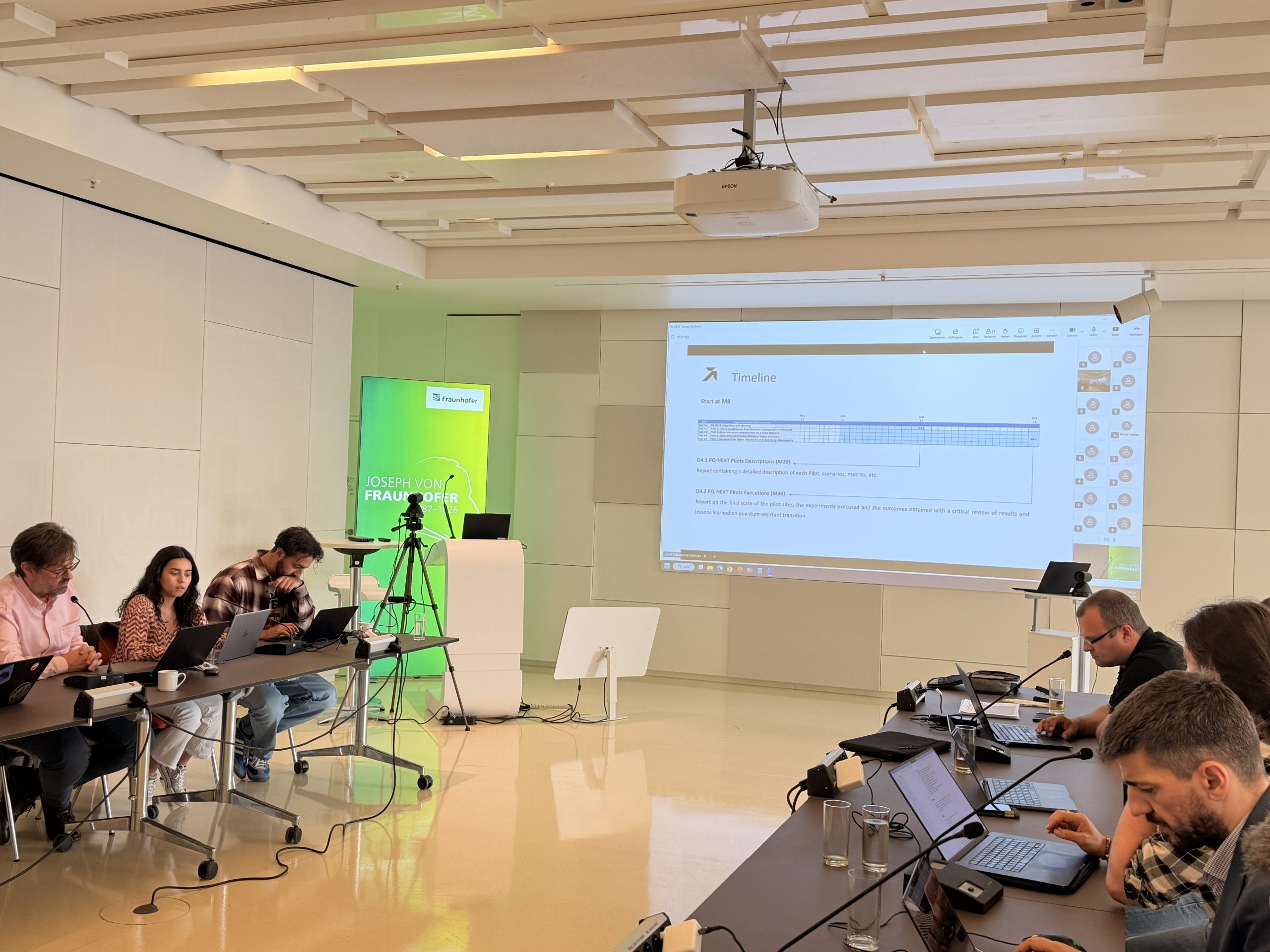
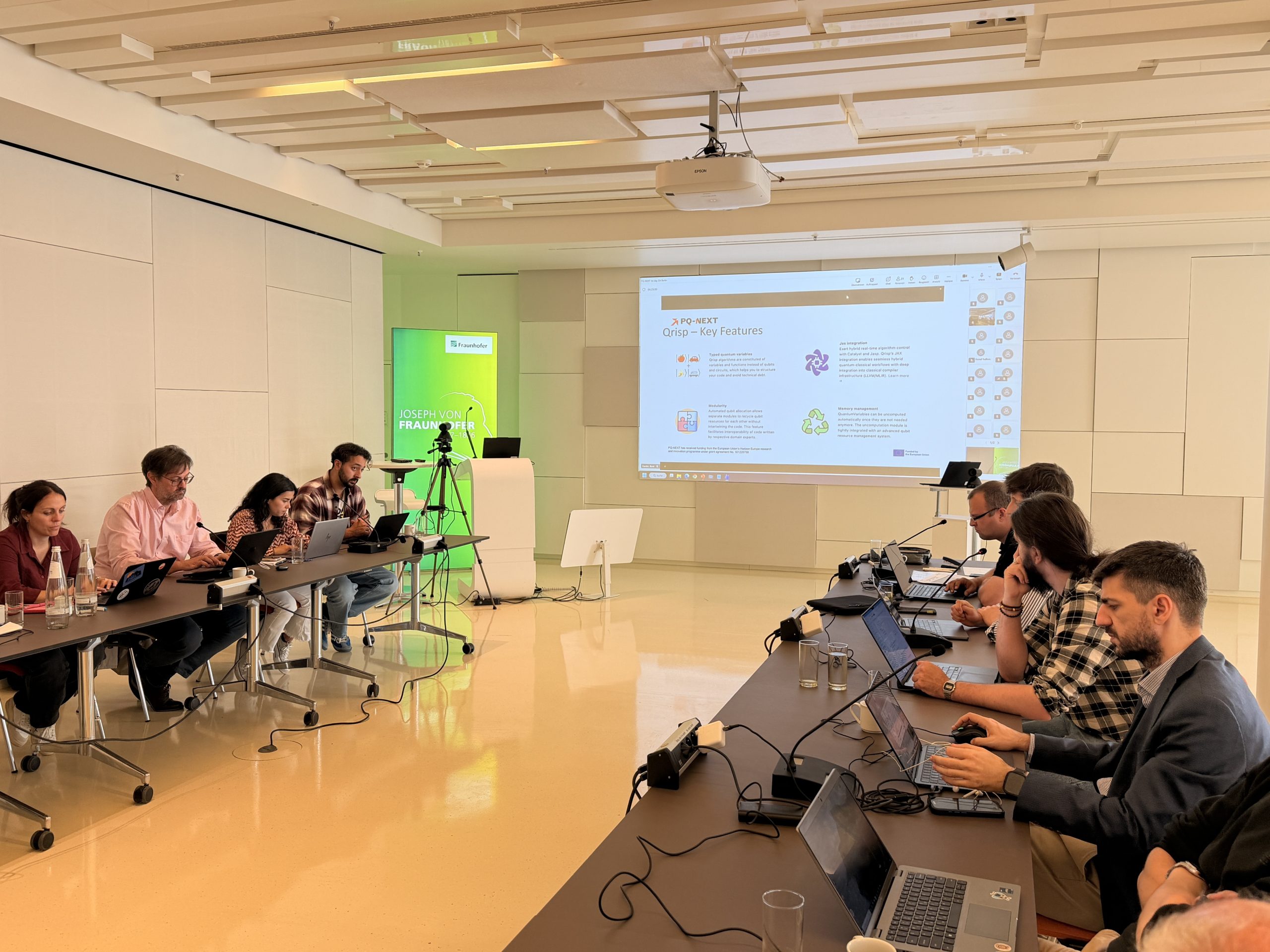
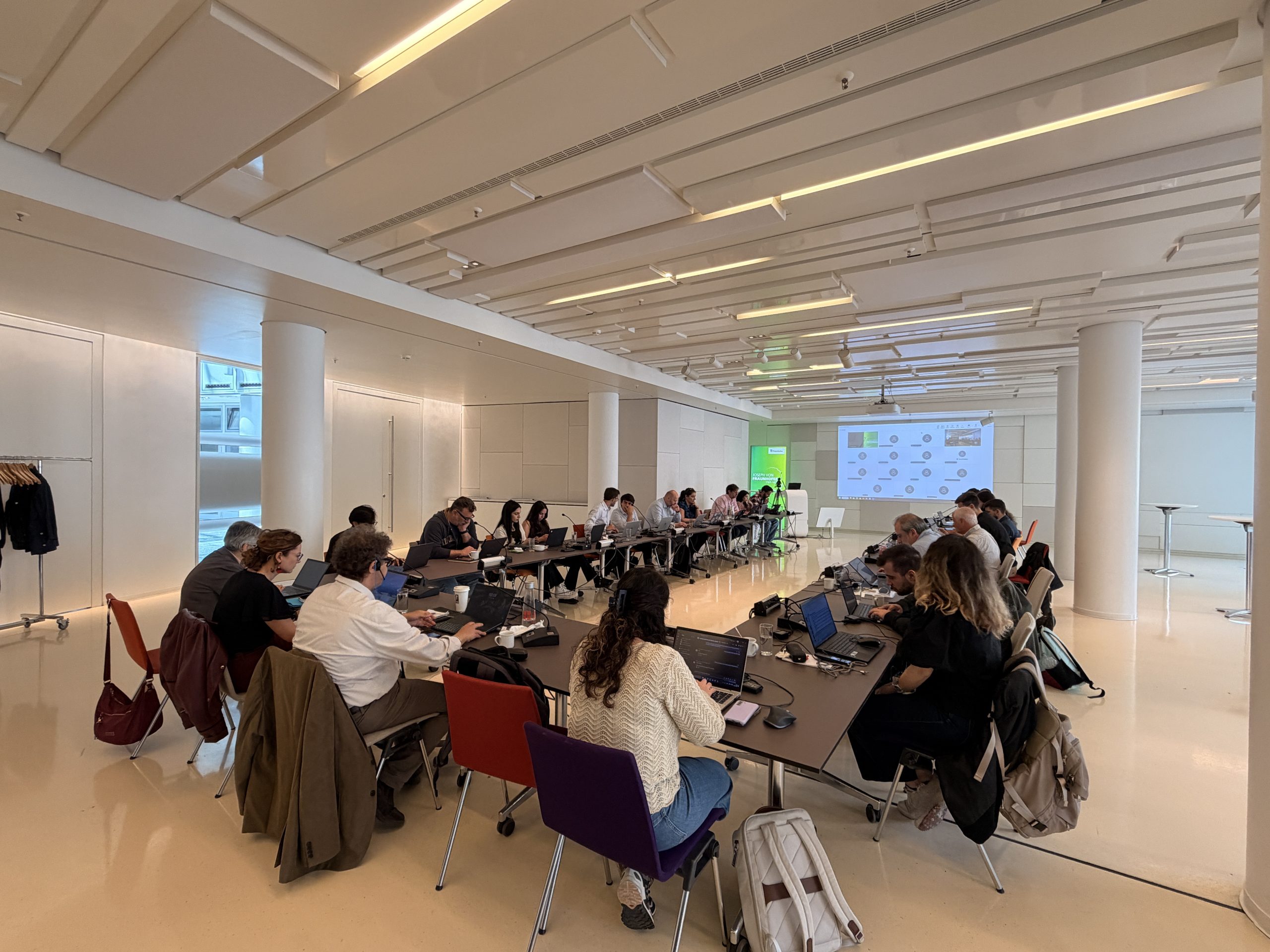
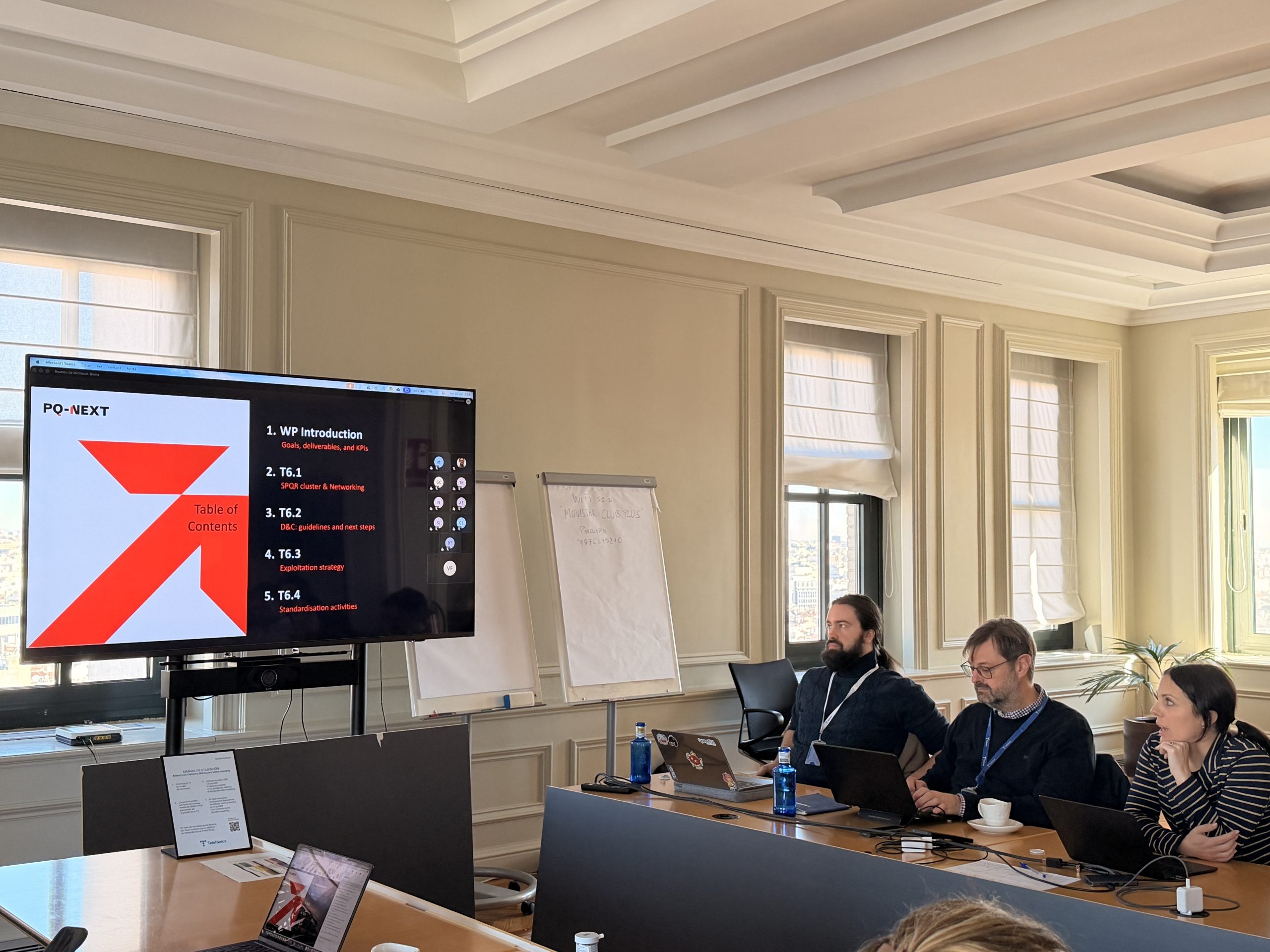
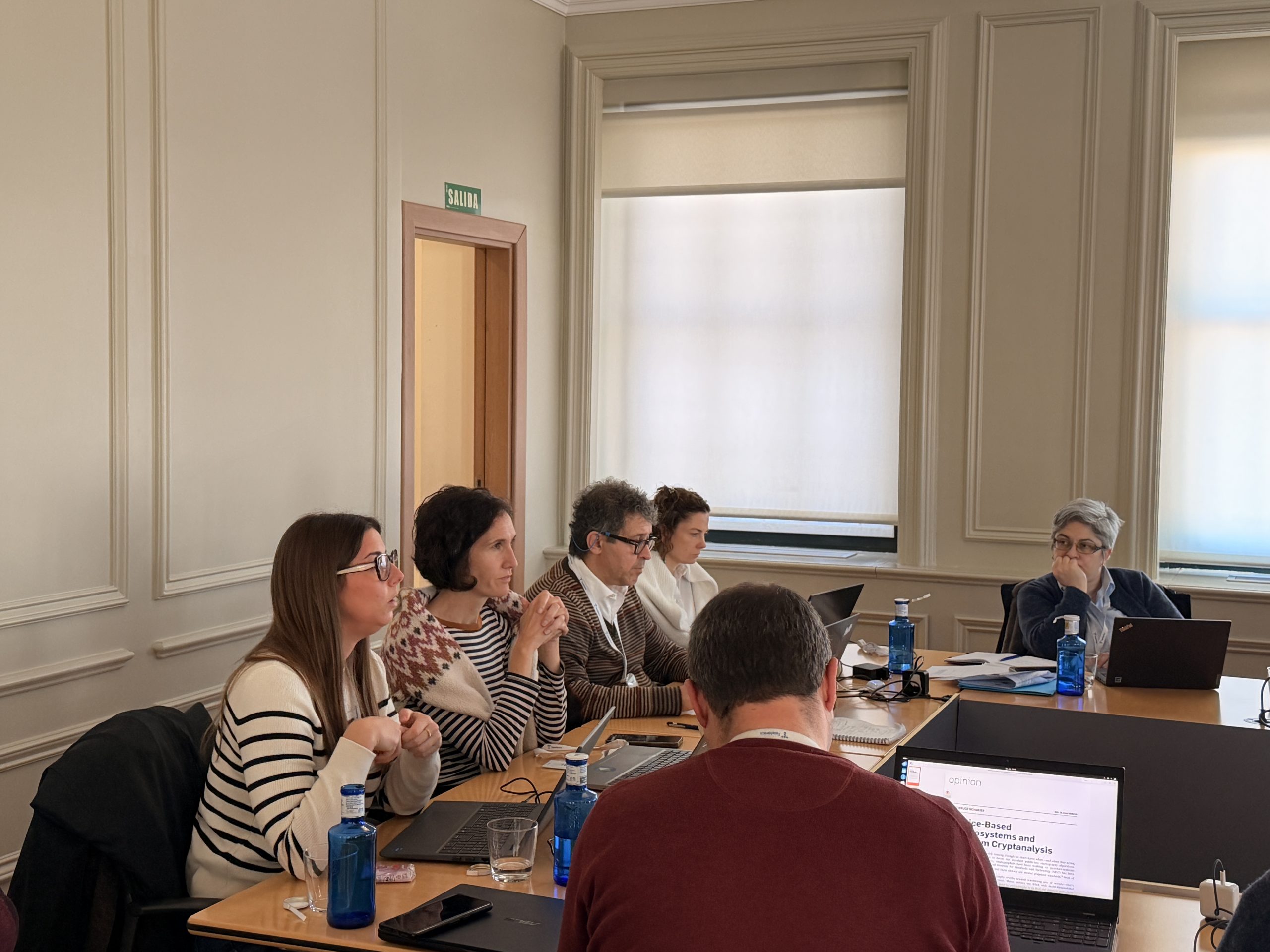
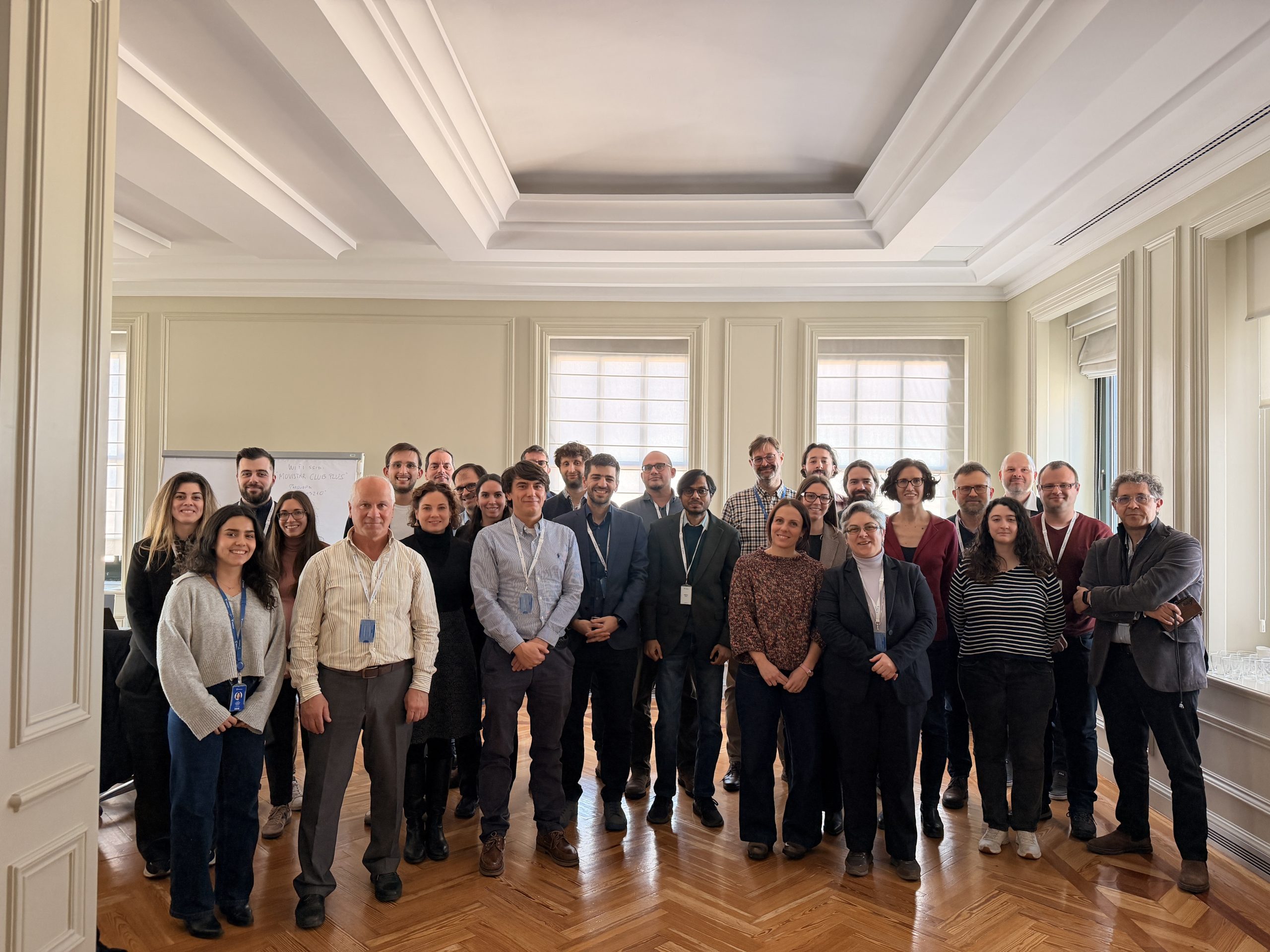
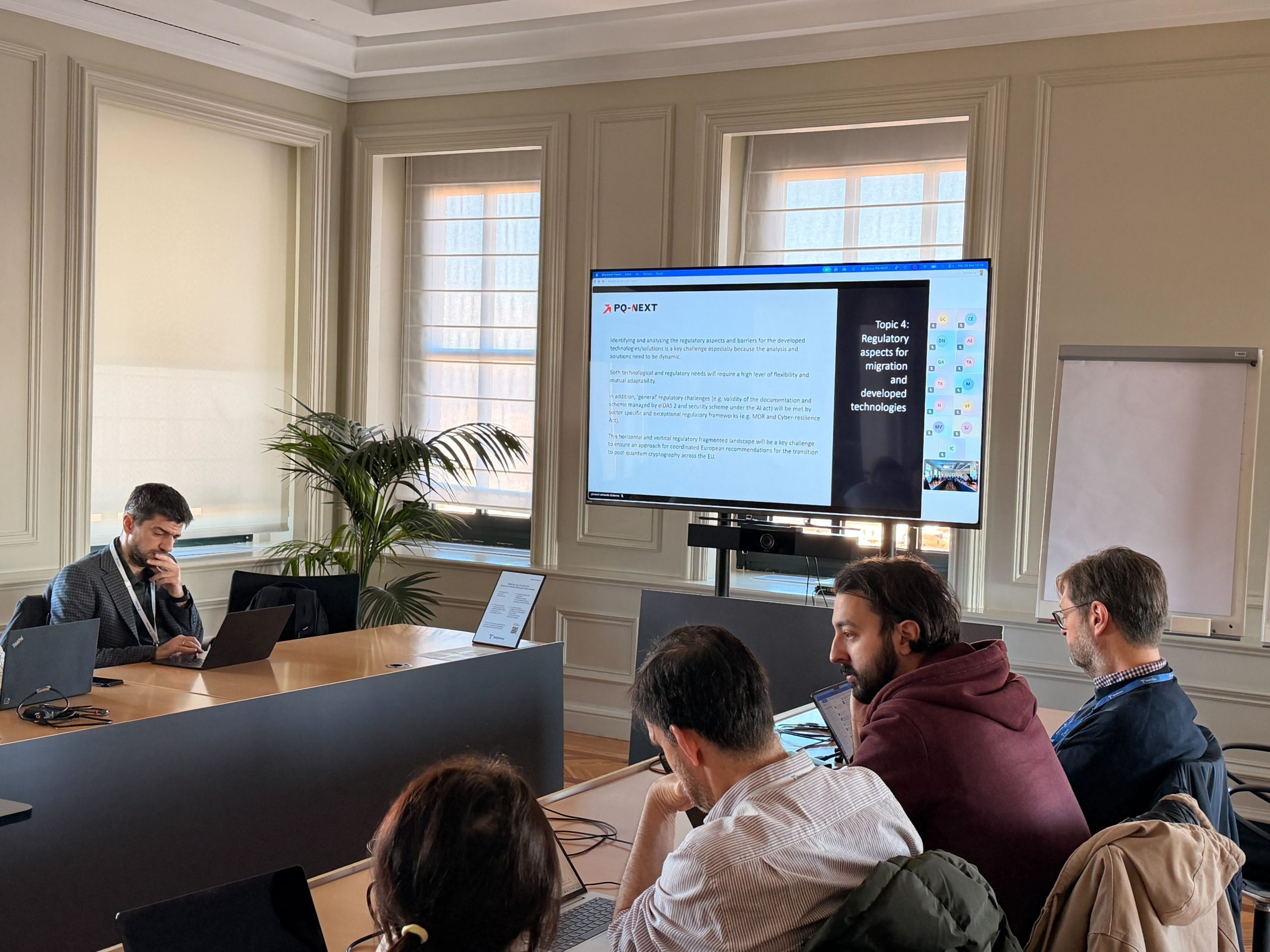
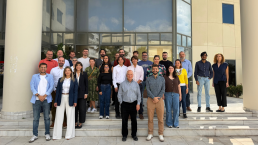
As we slowly enter our second year, our fourth General Assembly Meeting served as an introduction to the tools that we are developing, the methodologies to be implemented and the solutions needed for the smooth transition to the quantum era. With the wonderful hospitality of the Municipality of Egaleo, we gathered at their premises on 28-29 September 2026 in Athens, Greece, to discuss our progress, review the latest developments across the project’s solutions, and look ahead to the next steps.
But as we reflect back on our meeting, we wonder, “How is PQ-NEXT turning its research into solutions for the post-quantum transition? And how far have we reached?” A successful transition to post-quantum security requires more than adopting new cryptographic algorithms: it requires a clear understanding of existing infrastructures, risks, requirements and the different factors that can influence the migration process.
The PQ-NEXT PQC Algorithm Catalogue focuses on monitoring the current status, maturity, and development of quantum-resistant technologies. So far, we have an initial segmentation of the task into “building blocks” the catalogue needs to cover. This segmentation allows us to begin working on different objectives of the tasks, but further refinements are expected. Partners are enriching the catalogue with updates, and right now those updates have mostly happened at the algorithm specification level. As for the maintenance tools, they aim to support the PQC Migration Toolbox. Cryptographic inventory tooling and compliance auditing have been built as a server-client application. We are also designing and implementing an efficient quantum software stack, while analysing concepts and methods for a post-quantum programming suite.
One of the most important aspects of the project’s solutions is their validation in real-life pilots. We thoroughly presented and discussed all four pilots, including their progress and next steps before implementation. All pilots have their scenarios ready, and we are analysing the initial requirements.
- Pilot 1: Secure Transition to Post-Quantum Cryptography in Financial Environments
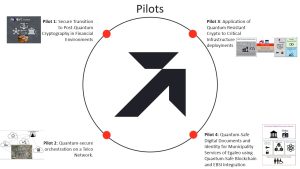
- Pilot 2: Quantum-secure orchestration on a Telco Network
- Pilot 3: Application of Quantum-Resistant Crypto to Critical Infrastructure deployments
- Pilot 4: Quantum-Safe Digital Documents and Identity for Municipality Services of Aigaleo using Quantum-Safe Blockchain and EBSI Integration
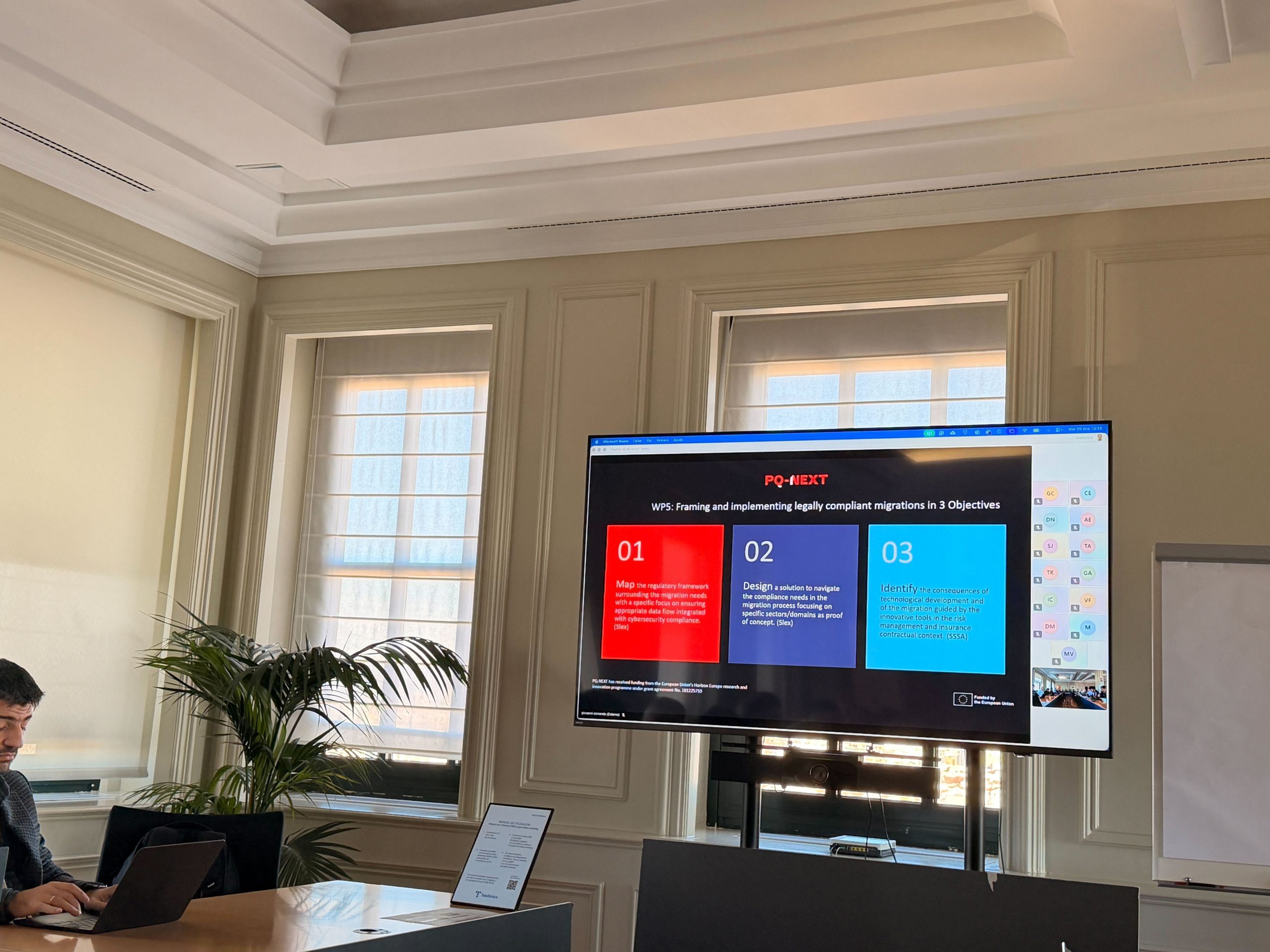
However, technology is not the only important aspect in the post-quantum transition. Organisations also need to understand the legal, regulatory and organisational implications of migration. The PQ-NEXT project also emphasises this. Mapping the regulatory framework around migration needs, with a specific focus on ensuring appropriate data flow integrated with cybersecurity compliance, has already started, and the map will continue to be enriched throughout the project’s duration. The PQ-NEXT team has thoroughly discussed and researched AI, data, and the consequences.
Of course, none of this work would ever reach our community without communication, dissemination, and exploitation. Strong online presence, scientific and awareness publications, key exploitable results and stakeholder engagement were topics that were presented, and more efforts will be put in place as the project results become more mature.
The progress achieved so far provides a strong foundation for the coming months. We look forward to bringing different results together, testing them under realistic conditions, and continuing to turn the project's research into solutions that can smooth and secure the post-quantum transition.
Join our quantum world and stay tuned!


How can a European project prepare banks, telecommunication companies, and secure our data in the quantum era? Meet PQ-NEXT
How can a European project prepare banks, telecommunication companies, and secure our data in the quantum era? Meet PQ-NEXT
Every time you pay online, log into your bank account, or send a message through a secure app, an invisible piece of mathematics protects you. Cryptography is the lock on almost everything digital. That lock has a well-known weakness, and our project is working to protect it before anyone can exploit it.
The problem
Much of today's internet security relies on mathematical problems that are extremely hard for classical computers. A classical computer would need an impractically long time to break these codes, so we know we can rely on them.
Quantum computers work differently. In the 1990s, mathematicians showed that a sufficiently powerful quantum computer could, in principle, break the most widely used public-key encryption systems. Such machines don't exist at that scale yet, and we do not know exactly when they will. However, the risk is real enough that security agencies and standards bodies worldwide are already acting.
In addition, there is also a new danger, called "harvest now, decrypt later". An attacker can copy encrypted data today and simply store it, waiting for the day quantum technology can unlock it. Medical records, state secrets and financial contracts that must stay confidential for decades are already exposed to that risk.
And now what?
Researchers have spent years developing post-quantum cryptography (PQC): new encryption methods designed to withstand both classical and quantum attacks. They run on ordinary computers and are based on different mathematical foundations.
The new locks are being designed. The challenge is integrating them into a world that has spent decades building on the old ones. Cryptography is deeply embedded everywhere: in our banking systems, telecom networks, city infrastructure, passports, and industrial machinery. Replacing it is less like changing a light bulb and more like replacing the plumbing in every building in a city while people still live in them without disrupting their everyday lives.
That is the gap PQ-NEXT aims to fill.
What PQ-NEXT is building
The project's core idea is a migration framework: a way to analyse and model different transition scenarios and produce tailored migration plans for different organisations. Alongside it, the PQ-NEXT team is assembling a catalogue of tools, including:
- PQC and hybrid algorithms. Hybrid schemes combine a classical method with a post-quantum one, so protection holds even if one proves flawed. New cryptographic ideas need time to earn trust, so this is a sensible safety net.
- Maintenance tools. Cryptography needs ongoing care: managing keys, updating algorithms, and keeping long-term data and communications trustworthy. The project's answer is crypto-agility, the ability to swap algorithms without rebuilding a whole system.
- A quantum programming language. It offers high-performance simulation and hybrid quantum-classical optimisation, giving researchers a way to work with quantum computing directly.
- A quantum cryptanalysis framework. To trust a new lock, you must try to pick it. This part of the project uses quantum computing techniques, focusing on future large-scale, fault-tolerant machines, to test and validate PQC algorithms.
PQ-NEXT into real-life applications
The project solutions will not stay in theory. They will be validated through large-scale, real-life pilots across a wide range of applications, including banking, critical infrastructure, telecommunications, and public services. Four pilots are planned to validate the PQ-NEXT results, namely:
Pilot 1: Secure Transition to Post-Quantum Cryptography in Financial Environments
Pilot 2: Quantum-secure orchestration on a Telco Network
Pilot 3: Application of Quantum-Resistant Crypto to Critical Infrastructure deployments
Pilot 4: Quantum-Safe Digital Documents and Identity for Municipality Services of Aigaleo using Quantum-Safe Blockchain and EBSI Integration
We carefully selected these to ensure a smooth transition to the coming quantum era, so we can continue our everyday digital activities without disruption and, most of all, securely.
Explore the PQ-NEXT pilots in detail
Why is PQ-NEXT’s research important?
And you're probably wondering: how should I prepare, or why should this topic matter to me? The truth is that individually we can’t prevent or undertake any actions. The change will come to our lives, and that is why we are grateful to our researchers. Because you will probably never see PQ-NEXT's work directly. But if it succeeds, your bank app will continue to operate securely, your digital ID will stay trustworthy, and your phone network will stay unaffected, without you noticing anything changed. Either way, the best security upgrades are invisible…
Join our quantum world and stay tuned!

Collaboration To Foster European Involvement in Future Quantum Standards


Collaboration To Foster European Involvement in Future Quantum Standards
PISA – Italy, July 1st, 2026 – StandICT.eu & PQ-NEXT announce their collaboration with the signature of a Memorandum of Understanding (MoU).
Quantum technologies are moving towards technological maturity and wider adoption. From a market perspective, one measure to accelerate development and uptake is the promotion of coordinated, dedicated standardisation and certification efforts. Currently, the industry is relatively fragmented, with few to no standards in place. And yet, standardisation is a crucial foundation for the field to mature and harmonise the European quantum supply chains through interoperability across systems, technologies, ecosystems, and companies.
Standardisation facilitates the development of new technologies and the creation of efficient, effective supply chains. With this in mind, two European research and innovation initiatives have joined forces to foster the European contribution to developing these required new quantum standards.
On one side, StandICT.eu, a EU-funded initiative that has been running since 2018 with the central objective of fostering the participation of European experts in international ICT standardisation.
To reach this goal, it has four main axes:
- It runs a Fellowship programme funding 300+ European standardisation experts through 6 Open Calls, providing over €4 million in direct funding.
- It manages the European Observatory for ICT Standardisation (EUOS), an interactive online ecosystem that includes an up-to-date standards repository and working groups sharing insights on ongoing standardisation efforts across different initiatives.
- Through its Academy, it trains future experts in ICT standardisation.
- It proposes a mentoring programme that connects ICT standardisation professionals to exchange knowledge and best practices, thereby improving engagement in global digital standardisation.
StandICT.eu focuses on horizontal and vertical ICT fields as defined in the Rolling Plan for ICT Standardisation; one of the focuses is quantum computing and technologies. Through its fellowship programme, it has supported several European experts financially in developing standards and chairing working groups across different Standards Development Organisations (SDOs), namely CEN/CENELEC, ETSI, ISO, and ISO/IEC. This topic remains a priority within the Fellowship Programme and its future open calls.
On the other side, PQ-NEXT, a European research and innovation project co-funded by the European Union, aims to develop a migration framework to analyse and model scenarios for a smooth transition to post-quantum cryptographic (PQC) standards, with tailored migration plans. PQ-NEXT focuses especially on Quantum cryptography-related standards with the aim of engaging the project’s results in the development of new standards in this field.
This announced collaboration can further consolidate these commitments of both projects.
“Europe’s position in quantum technologies will depend on its capacity to turn research excellence into a consistent and coordinated influence in global standardisation. The collaboration with PQ-NEXT is a great opportunity to strengthen that pathway, helping experts engage where future requirements for trust, interoperability and competitiveness are being defined.”
Maria Giuffrida, StandICT.eu Coordinator (from Trust-IT)
“Post-quantum cryptography is not a future concern, it is an immediate priority. The work we are doing within PQ-NEXT to develop migration frameworks and engage with standardisation bodies will be more effective when undertaken in joint action with initiatives like StandICT.eu. Together, we can ensure that Europe shapes the global standards that will underpin the security of our digital infrastructure for decades to come.”
Akis Kourtis, PQ-NEXT Project Coordinator (from Demokritos)
Read more about quantum standardisation
Published by the European Commission:
Published by the CEN/CENELEC Focus Group on Quantum Technology (FGQT):
- Towards European Standards for Quantum Technologies
- European Standardisation Roadmap on Quantum Technologies
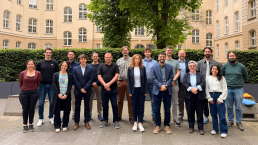
PQ-NEXT General Assembly Meeting in Berlin, Germany
PQ-NEXT General Assembly Meeting in Berlin, Germany
The third PQ-NEXT General Assembly Meeting was held in Berlin, Germany, on 19th and 20th May 2026. Hosted by Fraunhofer at their premises in the vibrant centre of Berlin, all the PQ-NEXT partners from across Europe gathered to present their progress, coordinate future work, and strengthen the collaboration that enables the smooth transition to the post-quantum era.
The first day started with Project Management activities, covering timelines, deliverables, and the coordination tools used to keep the consortium aligned. The day continued with the remaining technical work packages and discussions on Migration Modelling Tools, Post Quantum Transition Enablers, and Large Scale Pilot Demonstrators. It ended with a lengthy discussion on synergies and exploitation, followed by a social dinner to conclude the first day.
Wednesday focused on the project’s legal aspects, impact, and outreach activities. The Legally Compliant Migrations work package addressed the regulatory and compliance landscape that any real-world transition must navigate. The day concluded with the Dissemination, Communication, and Exploitation work package, which covered how the project will share its findings with the research community, policymakers, organisations, and all interested stakeholders, as well as how to increase the project’s impact.
Two days, six work packages, and a room full of people working intensively to smooth and secure the post-quantum transition.
Stay tuned with the PQ-NEXT project and follow its social media channels!