
PQ-NEXT Core with Giulia Pastor and Marva Arampatzi, AUSTRALO
What drives PQ-NEXT from within? PQ-NEXT Core reveals the minds and teams behind the project. By showcasing the perspectives, insights, and ambitions of those leading its key areas, we uncover the vision and collaboration that shape PQ-NEXT’s vision.
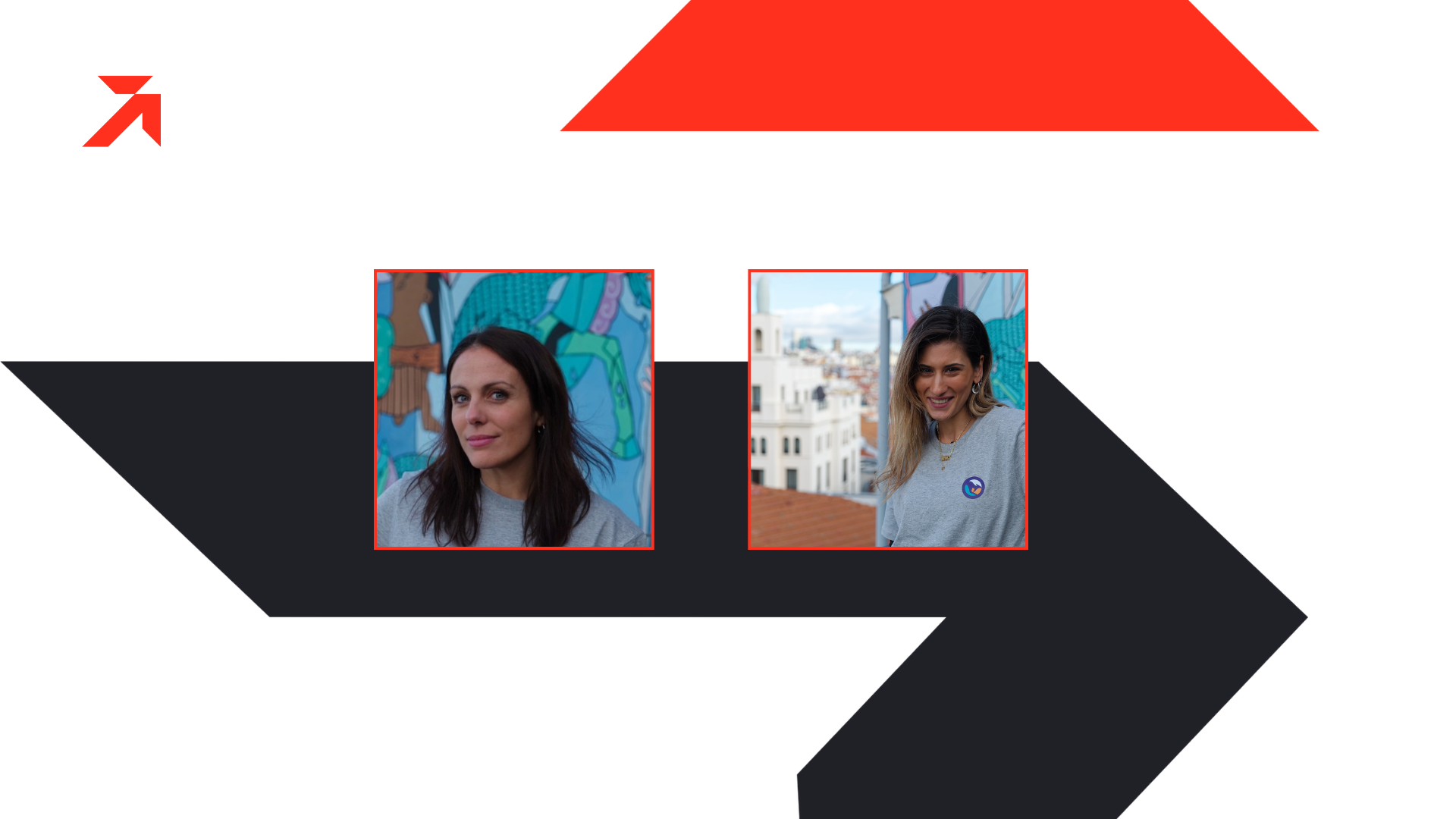
Let’s start by getting to know Giulia Pastor and Marva Arampatzi, from AUSTRALO a little better.
I am Giulia Pastor, working in AUSTRALO and with my colleague Marva Arabatzi we are leading Work Package 6 Dissemination, Communication and Exploitation. I have a mixed background in political sciences, international relations and European affairs. After completing my BA and two MAs in Italy and France, I started working on EU-funded projects, initially focusing on administrative and financial management. Over time, I transitioned into communication and dissemination, and that’s where I realised I liked working closely with researchers and helping them translate complex scientific work into something more accessible and engaging.
“Scientists are experts in their fields but often need support in communicating their results to broader audiences. That’s where we, as science communication experts, come in — making sure that research doesn’t stay within academic circles, but reaches society as a whole”.
I am Marva Arampatzi, with a background in Marketing and International Business Management and over six years of experience working on EU projects, with a focus on dissemination and communication. What I enjoy most about working on EU projects is that, each time, depending on the project’s topic, new challenges arise for me. One of them is the opportunity to explore a new scientific field by developing an understanding of the topic and then finding meaningful ways to make it accessible to people who, like me, come from outside that area of expertise.
You are the dissemination and communication partner for the PQ-NEXT project. What does this entail?
At AUSTRALO, we specialise in science communication, and in this project we lead WP6, which is the WP related to dissemination, communication, exploitation and standardisation. Specifically, we are in charge of the communication and dissemination activities, as well as the collaboration with other initiatives (such as the SPQR cluster). We work on a range of activities, including promoting the project to a wide range of stakeholders and ensuring that technical results are shared effectively in line with open science principles.
As I mentioned, our work is built around two main pillars: communication and dissemination. Communication focuses on raising awareness about the project, its objectives and its progress; dissemination, on the other hand, is about sharing scientific results with targeted audiences, including researchers and potential end-users.
A big part of our work also involves engaging with diverse audiences, from scientists and end users to the general public. Each group requires a different communication approach, which makes our jobs both challenging and interesting. Imagine explaining a complex, technical topic like post-quantum cryptography to the general public: it requires clarity, patience, and the ability to translate abstract concepts into relatable ideas.
We also led the D&C team for the PQ-REACT project, so we will utilise the knowledge gained from that project to enhance our activities and make the promotion of this project even more engaging!
Moving on, a personal note. What is the main outcome you personally hope this project will achieve?
Giulia: One of the most exciting results of the PQ-NEXT project is the development of a practical migration framework that assists governments, telecom providers, financial institutions, and critical infrastructure operators in transitioning safely from current encryption systems to post-quantum cryptography. Instead of focusing solely on theory, the project is creating real-world tools, hybrid cryptographic solutions, and large-scale pilot deployments to prepare Europe for the quantum era.
Additionally, this project brings together professionals from diverse backgrounds and expertise, so, as dissemination and communication leader, I am eager to promote the work behind it, transforming their complex activities into clear and engaging materials and campaigns!
Marva: For me, I hope this project will help raise awareness of the post-quantum transition in a way that feels relevant and understandable to everyone. Cybersecurity is something that affects all of us in our daily lives, and I believe that informed communities are better equipped to navigate the changes ahead.
Looking ahead, what excites you most about the post-quantum era?
Giulia: As someone with a social science background, it is fascinating to be part of a team of researchers, scientists, and experts working at such a transformative moment in the evolution of security technologies. It gives me the opportunity to witness real change, to see how technology develops and moves in the right direction: safeguarding people. Because in the digital world, protecting data means protecting people.
Marva: What I look forward to most is witnessing how this transition will shape our everyday lives, from the way we communicate and share information, to how we trust the digital systems around us, especially nowadays, when almost all of our everyday activities are becoming digital. It is one thing to work on something at a project level, but seeing it eventually reflected in the real world, in ways that people can feel and benefit from, is what makes this work truly worthwhile.