
PQ-NEXT Core with Giovanni Comandè, SmartLex/Scuola Superiore Sant’Anna
What drives PQ-NEXT from within? PQ-NEXT Core reveals the minds and teams behind the project. By showcasing the perspectives, insights, and ambitions of those leading its key areas, we uncover the vision and collaboration that shape PQ-NEXT’s vision.
Let’s start by getting to know Giovanni Comandè, from SmartLex/Scuola Superiore Sant’Anna, a little better and by introducing the team that will work on the project.
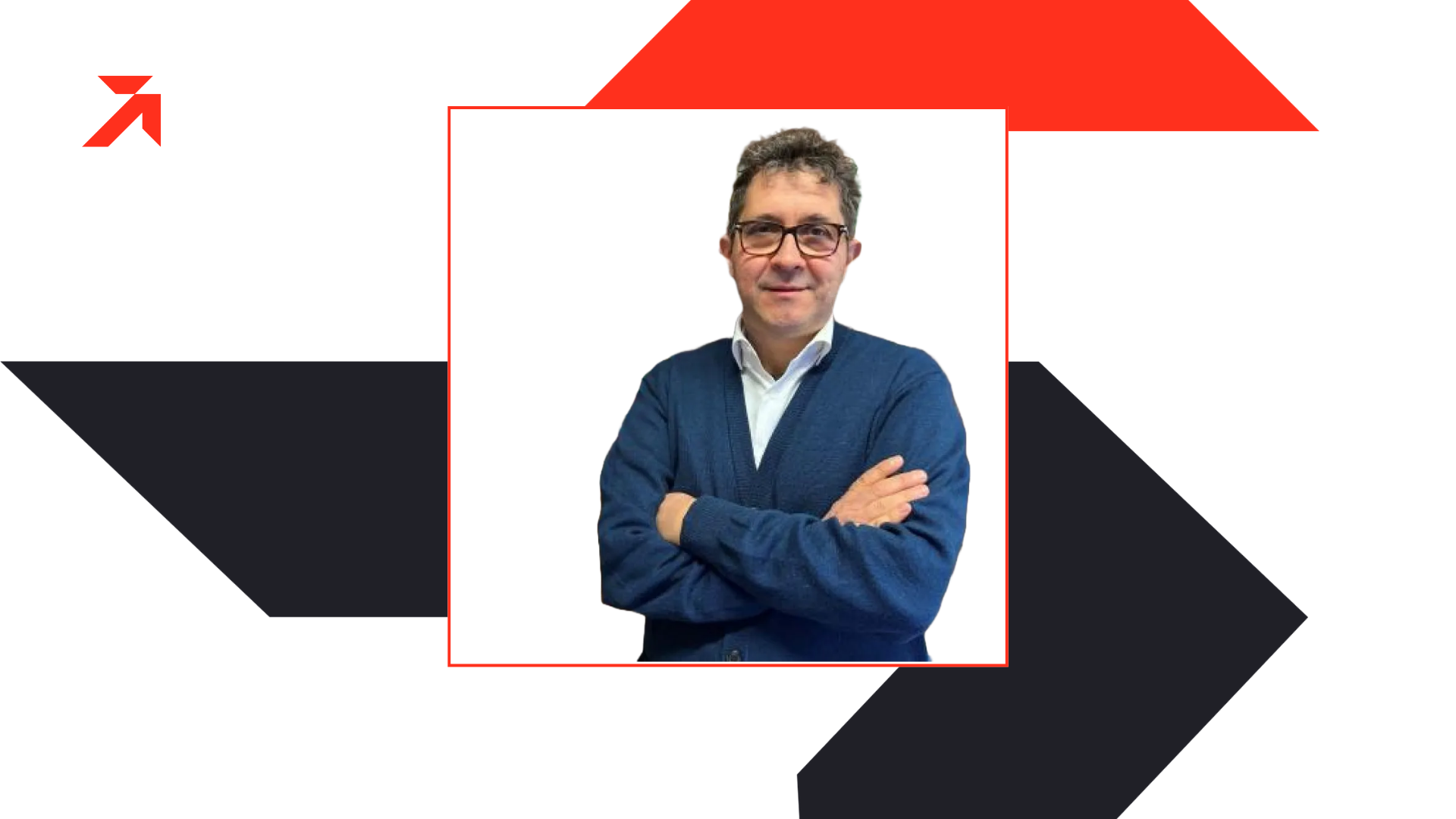
My name is Giovanni Comandè. I am a full professor of law at the Scuola Superiore Sant’Anna in Pisa, and also the founder of SmartLex, which is also a partner in the PQ-NEXT project. My background is in law, and I have completed my degree at the Scuola Superiore Sant’Anna and, for research purposes, have joined Harvard Law School and various other universities across the world, on topics related to law and technology that are directly relevant to our work in PQ-NEXT.
The SmartLex team is multidisciplinary. Alongside several jurists, we have technical experts, including informaticians, data scientists, and AI developers. It is a mixed team that joins the wider multidisciplinary consortium PQ-NEXT, and we will all be working closely with the other project partners.
What motivated you to join this EU-wide consortium?
The primary motivation was the challenges set out in the call and, above all, the way our consortium proposed to address them. This project is, in a sense, a follow-up to earlier work in which we began to devise transition strategies for the post-quantum era. PQ-NEXT goes further, requesting the actual development of pragmatic tools, and that is exactly what we are doing. The consortium is also well-equipped and well-balanced to meet the objectives of the project. That was the main reason for joining.
“The primary motivation was the challenges set out in the call and, above all, the way our consortium proposed to address them.”
What problem does your role in the project address in simple terms, and why is it critical for the project’s implementation?
SmartLex contributes at two distinct levels within the project.
First, under Work Package 1 “Project Management”, SmartLex is responsible for ethics compliance across the overall project. This includes monitoring ethics issues that may arise and maintaining attention to gender balance and gender-related matters throughout the project’s lifecycle.
Second, and more substantially, SmartLex, together with Scuola Superiore Sant’Anna, leads Work Package 5 “Framing and implementing legally compliant migrations” on the legal dimensions of the post-quantum transition. This involves developing a comprehensive mapping of the legal constraints and compliance requirements that apply to organisations transitioning to post-quantum cryptography. From this mapping, and through ongoing interaction with the technical partners, we are developing a proof of concept for an intelligent compliance and navigation system. The goal is to empower all entities required to transition to the post-quantum era to do so in a compliant way, helping them identify and navigate their specific compliance needs.
“The goal is to empower all entities required to transition to the post-quantum era to do so in a compliant way, helping them identify and navigate their specific compliance needs.”
What are the main activities, tasks, and objectives of your work? And How is your work connected to the other tasks and activities?
Our work operates at two levels of interaction with the rest of the project.
At the first level, we conduct what is typically called desktop research, analysing legal rules in light of case law (primarily from the European Union), scholarly contributions, and policy documents, and transforming this analysis into a practical mapping useful to our technical partners. This mapping is developed in close collaboration with the other partners in Work Package 5 and is continuously refined in view of their use cases and technical developments.
At the second level, there is recurring interaction with several work packages across the project. The most direct connection is with Work Package 2, where the core technical solutions and the platform are being developed. We provide legal feedback for that work and receive input in return in a continuous series of loops.
For ethics compliance, we maintain a similar ongoing feedback process. Through monthly working group meetings and general consortium meetings, we monitor any emerging ethics issues and raise awareness among the other partners of potential concerns affecting their work, addressing them proactively as the project progresses.
There is also collaboration with Scuola Superiore Sant’Anna on Task 5.3, which addresses insurance components and risk management.
Moving on, a personal note. What is the main outcome you personally hope this project will achieve?
I hope that as a project and as a team, we can help strengthen the EU’s position in the post-quantum era. More specifically, I hope our work contributes to offering a benchmark grounded in fundamental rights protection. This feels especially important at a time when the rule of law, the role of international institutions, and trust between peoples, states, and institutions are being severely tested.
The key outcome I really hope our consortium brings about is something useful not only for the European Union, though it would certainly strengthen the EU’s position, but something that could be taken up more broadly worldwide.
“I hope that as a project and as a team, we can help strengthen the EU’s position in the post-quantum era.”
Looking ahead, what excites you most about the post-quantum era?
Despite all the work that has already been done in this field, I think we are still not fully aware of what the post-quantum era will truly mean, the incredible opportunities and the significant challenges, both for good and for ill, are not yet fully perceived or described.
What is genuinely exciting is the opportunity, with a great team, truly a team of teams, to contribute to shaping the post-quantum era in a positive direction: towards a future that is peaceful, environmentally friendly, respectful of human and fundamental rights, and secure in cybersecurity terms. The goal is to minimise and, where possible, prevent the darker risks that lie ahead.
Technology is not inherently good or bad; it is defined by the uses we make of it. What excites me is the possibility of helping to steer the post-quantum era towards the benefit of humankind and reducing the significant risks that come with it. We should not be afraid of advanced technology, but we must be equipped to navigate it wisely. That is precisely why the legal dimension is so important in this project.
“Technology is not inherently good or bad; it is defined by the uses we make of it.”